
March 28, 2025
Top 10 Most Important Laws in the USA: A Guide to Key Legal Frameworks
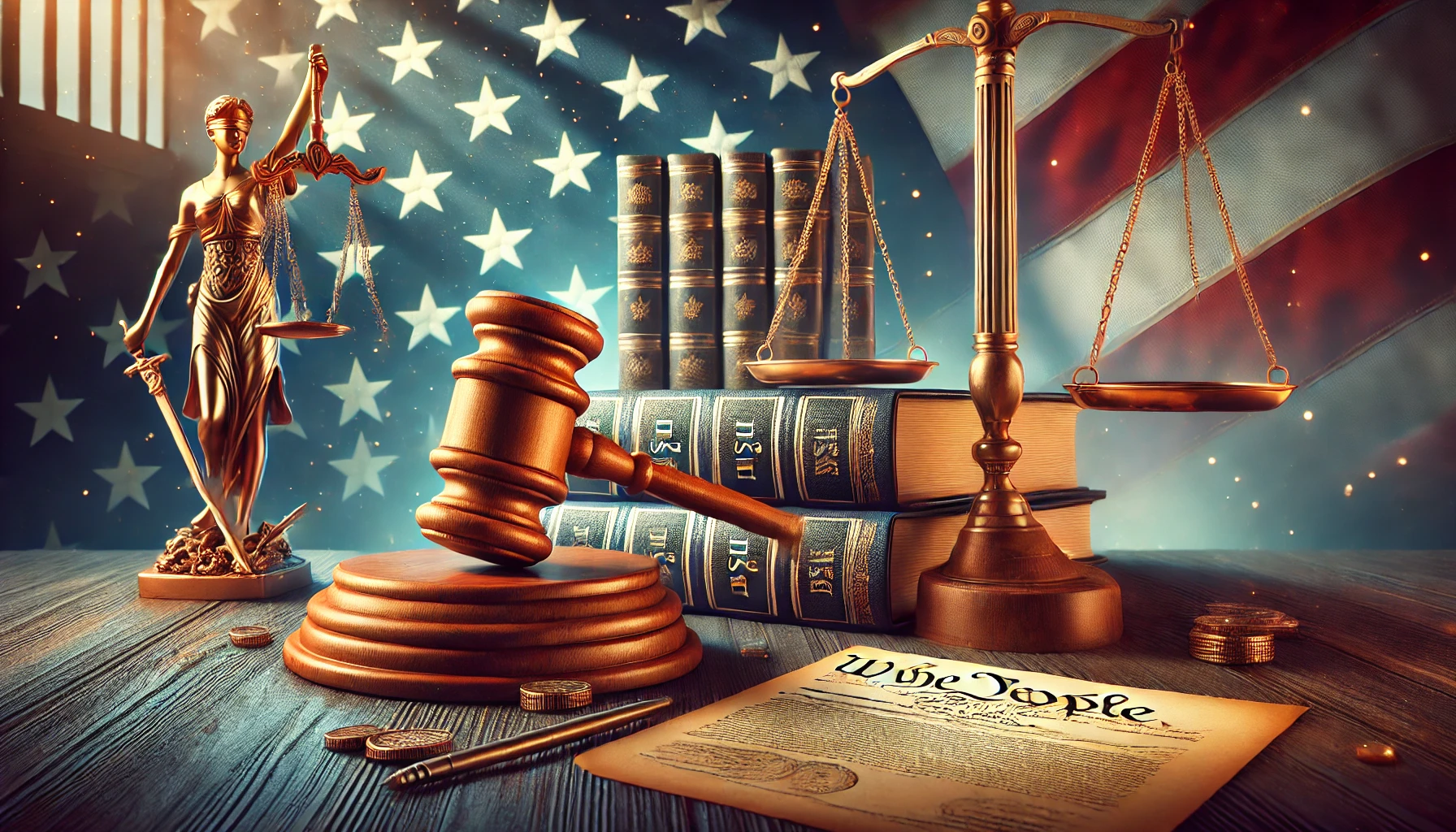
The legal system of the United States is built on a complex framework of federal and state laws designed to maintain order, protect citizens’ rights, and ensure justice. Some laws have had a profound impact on American society, shaping the nation’s policies, civil rights, economy, and governance. This article highlights the top 10 most important laws in the USA, explaining their significance and influence.
The U.S. Constitution is the supreme law of the land, establishing the structure of the federal government and outlining the rights of citizens. It consists of seven articles and 27 amendments, including the Bill of Rights, which guarantees fundamental freedoms such as free speech, religion, and due process.
The first 10 amendments to the U.S. Constitution form the Bill of Rights, ensuring freedoms such as:
One of the most significant laws in U.S. history, the Civil Rights Act of 1964 prohibits discrimination based on race, color, religion, sex, or national origin in employment, education, and public accommodations.
Following the Civil Rights Movement, this law was enacted to eliminate racial discrimination in voting, banning literacy tests and other restrictive practices that disenfranchised African Americans.
The Social Security Act established benefits for retirees, disabled individuals, and unemployed workers, creating a safety net for millions of Americans.
Also known as Obamacare, this law aimed to make healthcare more accessible and affordable by expanding Medicaid, protecting people with pre-existing conditions, and mandating health insurance coverage.
Passed after the 9/11 attacks, the Patriot Act expanded the government’s ability to conduct surveillance and investigate terrorism-related activities.
The ADA prohibits discrimination against individuals with disabilities in workplaces, schools, transportation, and public spaces.
This federal law regulates air pollution to improve air quality and protect public health. It allows the Environmental Protection Agency (EPA) to set emissions standards.
This law allows eligible employees to take up to 12 weeks of unpaid, job-protected leave for medical and family reasons, such as childbirth or serious illness.
The legal system in the United States is shaped by laws that protect civil rights, ensure economic stability, and promote justice. The top 10 laws in the USA outlined in this guide have had a significant impact on American society, influencing governance, healthcare, environmental protection, and individual freedoms.
Understanding these laws helps citizens navigate their rights and responsibilities while appreciating the framework that governs the nation. Whether you’re a student, legal professional, or an informed citizen, staying aware of key U.S. laws is crucial in today’s world.